
On Tuesday, the Harb & Company Team typically previews new listings in La Canada and La Crescenta. On Wednesdays it’s Glendale, and on Thursdays Pasadena or Burbank. We do this for a variety of reasons. These weekly viewings keep us current on the latest design trends.
There are many different types of tile, each with unique characteristics and suitable applications. Here’s a rundown of the various types of tile and their pros and cons:
Cement, for instance, requires monthly resealing to maintain its beauty and is best used in low-traffic areas and in small quantities. Marble, despite being costly, instantly adds elegance to any room. However, they demand considerable upkeep and are susceptible to scratches and stains, making them more suitable for low-traffic zones or smaller decorative features.
Granite tile, often seen as a budget-friendly alternative resembling marble, receives recommendations for laundry rooms or other secondary spaces, prioritizing performance and cost. Mosaic tiles, offering creative freedom with diverse shapes, sizes, and colors, prove ideal for wall applications when an accent is needed.
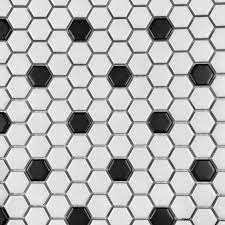
mosaic tile
Limestone offers a rustic look and is easy to shape. However, its porous surface requires proper sealing to prevent staining and moisture damage. Travertine features a distinctive, natural appearance but requires additional maintenance. It performs best in low-traffic areas or as a wall covering.
Manufacturers create quarry tile from ground minerals, giving it exceptional density and natural water resistance. As a result, it stands up well to heavy foot traffic. Metal tile delivers outstanding durability and a sleek, modern appearance. Although it can scratch, it develops a rich natural patina over time. For that reason, it works well in kitchens, bars, and utility rooms.
Resin tile comes in a wide variety of styles, including eye-catching 3D patterns. It resists water but can chip or yellow with age. Homeowners often use resin tile in bathrooms, mudrooms, backsplashes, or as decorative accent pieces. Because each tile offers unique advantages, you can choose the material that best suits your space, style, and maintenance preferences.