
Ask Phyllis: a blog series of frequently asked real estate questions. Email us here
Understanding Homeowners Dues
Dear Phyllis,
My fiancé and I are getting married next year. To save money, we have moved in together. We know we can’t afford to buy a home, but are hoping to be able to afford a townhouse. We have been looking online and are really concerned about the high cost of homeowner’s dues. They kind of seem like a rip-off. My mom told me to ask Phyllis, so I am. Need Help Understanding Homeowners’ Dues
Dear Need Help,
Congratulations on your engagement! There are some obvious reasons some homeowners’ dues are higher than others. When understanding homeowners’ dues, first look at the amenities. Amenities such as pools and spas are big-ticket expenses. The cost of maintaining multiple elevators and electronic gates can be another factor. The extent of the landscape and greenbelts can increase gardening expenses from one building to another. Some complexes carry earthquake insurance, which is also very costly.
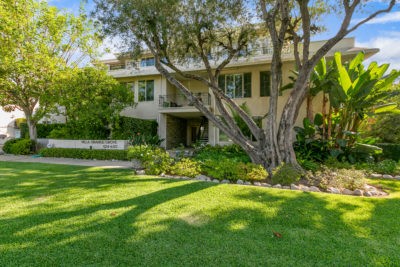
When you evaluate a condo or townhome, you should consider which utilities the dues include. However, keep in mind that in condo or townhome living, you will not pay for or maintain a yard. Instead, the Association pays for water and utilities for all common areas.
Homeowner’s Associations (HOAs) also set aside reserve funds, which they collect for the repair and replacement of major property components. These reserves act as a savings fund for future repairs and improvements. If the association does not maintain adequate reserves, you could face a special assessment if, for example, the roof needs replacement.
Therefore, when you purchase a property, you should verify that the building maintains a healthy reserve fund. You can do this by carefully reviewing the Association’s Reserve Report, which outlines the expected life span of major systems such as plumbing, electrical, and roofing.
Although your homeowner’s dues will cover insurance if the building burns down, they will not cover your personal contents. You will want to be certain to have additional insurance to cover your personal property, furniture, clothing, window coverings, etc. But this will be much less than the cost of insurance for the structure of a home.
As you have likely learned, renters are at the mercy of their landlords. Owning real estate offers the potential to amass equity and the security that comes with taking charge of your life. I wish you and your fiancé the best.



We are in a very similar situation and your suggestions about what to consider when it comes to hoa dues is very helpful. It never occurred to us to ask about reserves
I am glad that I helped, reserves are very important. A healthy reserve fund avoids special assessments