
As a Realtor specializing in trust and probate sales, I have seen firsthand how overwhelming it can be for families to settle an estate when important documents and financial information are difficult to locate.
Fortunately, organizing your information in advance can make the process much easier. Whether you have a living trust or a will, taking time to prepare now can save your loved one considerable time, stress, and frustration later.

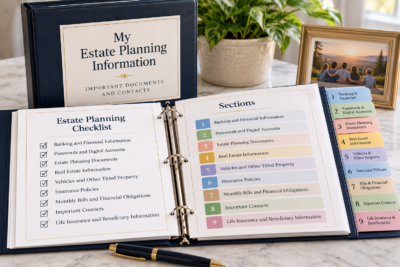
To get started, I recommend creating an estate planning binder or secure digital folder containing the following information. Most importantly, tell your trustee, executor, or estate administrator where everything is and how to access it.
1. Banking and Financial Information
First, gather information about your financial accounts so your representative can identify your assets and locate important records.
Include the following:
-
Names, locations, and account numbers for all banks, financial institutions, investment accounts, retirement accounts, and other financial assets
-
Safe deposit box location and access information, including the key location, if applicable
-
Your CPA’s name and contact information
Important: Do not rely on a safe deposit box as the only place to store essential information. Access may be restricted following a death.
2. Passwords and Digital Accounts
In addition to financial records, your trustee or executor may need access to email accounts, online banking, and other digital accounts to pay bills and manage estate responsibilities.
For this reason, I recommend using a reputable password manager, such as 1Password to securely store your passwords.
Be sure to include:
- Access information for email accounts and online banking
- Cellphone passcodes and other essential account details
- Emergency access or account recovery options, where available
- Secure instructions explaining how your representative can access the password manager
Email and cellphone access are particularly important because these accounts are often used to verify identity and recover access to other accounts. Therefore, never store your master password or recovery information in an unsecured document.
3. Estate Planning Documents
Next, organize your legal documents so your representative can quickly locate the paperwork needed to administer your estate.
Include copies of the following:
- Living trust and any amendments
- Will if applicable
- Durable power of attorney
- Advance healthcare directive
- Contact information for your estate planning attorney
Just as importantly, make sure your trustee or executor knows where the original documents are stored. Your attorney can explain which documents require originals and how they should be kept.
4. Real Estate Information
If you own a home or other real estate, gathering property information in advance can make a significant difference when the time comes to administer your estate.
For each property, include:
- Property address and a copy of the deed, if available
- Mortgage company contact information and payment details
- Property tax information
- Homeowners insurance policies
- Homeowners association (HOA) information and contact details, if applicable
- Names and contact information for professionals who assist with your property
Furthermore, if the property is held in a trust, make sure your trustee knows where to find the trust documents and related property records.
As a Realtor specializing in trust and probate sales, I have seen how much easier the process can be when property records and ownership information are readily available.
5. Vehicles and Other Titled Property
In addition to real estate, remember to organize records for vehicles and other valuable assets.
Include:
- Vehicle titles, commonly called pink slips in California
- Auto loan information and payment details
- Vehicle insurance policies
- Information about boats, recreational vehicles, and other titled assets
By keeping these records together, you can help your representative identify the assets that may need attention.
6. Insurance Policies
Next, prepare a list of your insurance policies, along with the companies’ contact information.
Be sure to include:
- Life insurance and beneficiary information
- Health insurance
- Long-term care insurance, if applicable
- Other insurance policies
Your representative will then know which companies to contact and where to find the relevant policy documents.
7. Monthly Bills and Financial Obligations
Equally important, prepare a list of your recurring expenses. This will help your representative determine which bills and financial obligations require attention.
Include:
- Utility bills
- Credit cards and outstanding loans
- Mortgage and car payments
- Property taxes and HOA dues
- Automatic payments and subscriptions
- Household services and other recurring expenses
For each item, provide the company’s name, contact information, and instructions for locating the latest statements. This information can help prevent missed payments and make it easier to identify ongoing expenses.
8. Important Contacts
To help your representative get started, prepare a list of the people who may need to be contacted.
Include:
- Estate planning attorney
- Financial advisor
- Tax preparer or accountant
- Insurance agent
- Banker
- Realtor or other real estate professional
Having these names and phone numbers in one place can save valuable time. In addition, it gives your representative a clear starting point when questions arise.
How to Organize Everything
Once you have gathered the necessary information, choose an organizational system that works for you. You can use a clearly labeled binder, a secure digital folder, or a combination of both.
However, because these records contain sensitive financial and personal information, protect them carefully. Avoid leaving account numbers, passwords, or recovery codes where unauthorized people can find them.
Next, tell your chosen representative where the information is located and explain how to access it securely.
Finally, review your records at least once a year. Update them whenever you open or close an account, refinance a property, change insurance coverage, or revise your estate plan.
A Little Preparation Can Make a Big Difference
Your family will already have plenty to manage during a difficult time. Consequently, leaving organized records and clear instructions is a thoughtful way to ease their burden.
As a Realtor specializing in trust and probate sales, I know that having the right information readily available can make administering an estate and managing real estate much more manageable.
Take the time to organize your affairs now. With a little preparation, you can help your loved ones avoid unnecessary confusion and focus on what matters most. Your family will thank you later.